HCA Global Signs ₹945 Cr Hyderabad Deal | HSBC Leases 1.19 Lakh Sq Ft in Bengaluru | BFSI Drives Flex Workspace Demand
This week’s FLEXO newsletter brings you the latest developments shaping India’s commercial real estate market. Large office commitments in Hyderabad and Bengaluru highlight continued demand from global businesses, while flexible workspaces are attracting a wider mix of occupiers beyond the traditional technology sector. At the same time, sustainability is becoming a bigger consideration in office development, and artificial intelligence is expected to influence how India’s office workforce and workspace requirements evolve. Let’s explore the full story in this week’s updates!
HCA Global Pre-Leases 6.44 Lakh Sq Ft in Hyderabad for ₹945 Crore

HCA Global Services, the Indian subsidiary and Global Capability Centre of US-based healthcare provider HCA Healthcare, has pre-leased 6,44,670 sq ft of office space at Mindspace IT Park in Hyderabad for 10 years. The agreement covers seven levels in Building No. 8, including the lower ground floor and floors 15 to 20. The estimated total rental outlay stands at approximately ₹945 crore, with an initial monthly rent of around ₹7.09 crore at ₹110 per sq ft. The lease includes an annual rental escalation of 4.5%, and occupancy is scheduled to begin on September 1, 2027. The transaction is among the country’s largest office pre-lease commitments by rental value this year.
HSBC Sub-Leases 1.19 Lakh Sq Ft of Furnished Office Space in Bengaluru for Over ₹207 Crore

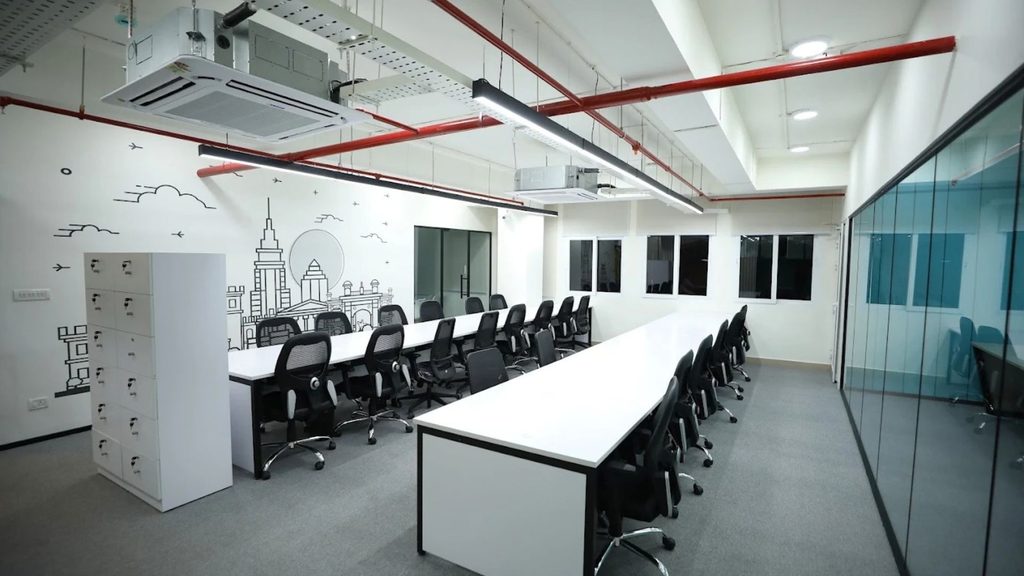
HSBC Electronic Data Processing India has sub-leased 1,19,751 sq ft of fully furnished office space at Ecospace Campus in Bellandur, Bengaluru, for five years. The transaction carries a total rental commitment of more than ₹207 crore, with a starting monthly rent of approximately ₹3.19 crore, translating to ₹267 per sq ft. The agreement was registered on October 23, 2026, and the sub-lease commenced on August 24, 2026. The space has been sub-leased from COWRKS India and includes 119 car parking spaces. The plug-and-play arrangement allows HSBC to use existing office infrastructure without undertaking extensive fit-outs.
IT Leads India’s Flexible Workspace Demand as BFSI Share Climbs to 12.2%
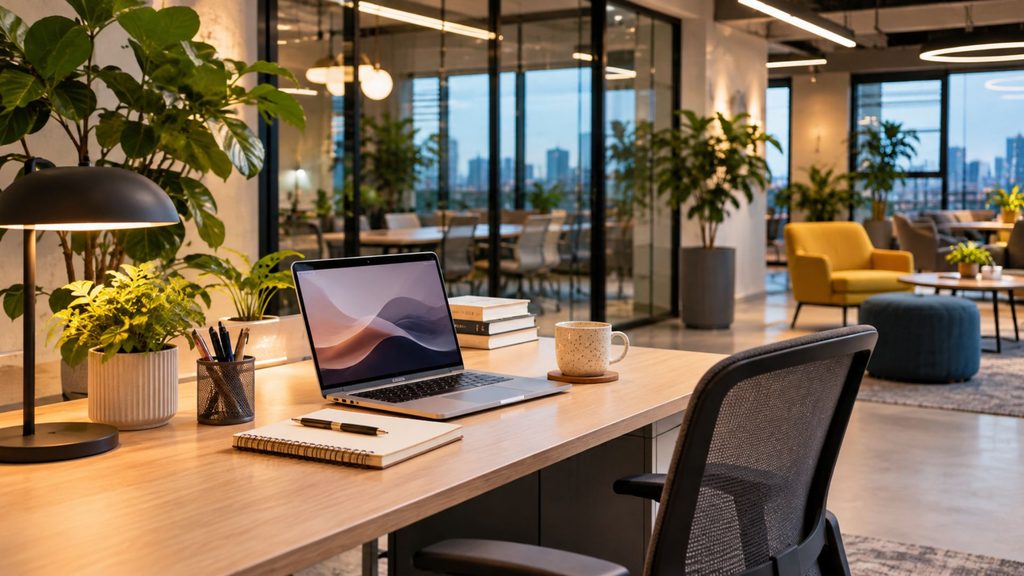
The information technology and IT-enabled services sector continues to lead India’s flexible workspace demand, accounting for 43.9% of total requirements in 2026. However, banking, financial services and insurance (BFSI) has emerged as the second-largest industry segment, with its share rising from 4.5% in 2023 to 12.2% in 2026. This represents a 2.7-fold increase in three years. Consulting, IT/ITeS and BFSI together accounted for 67.7% of flexible workspace demand in 2026. The findings, based on more than 20,000 company-level workspace requirements across six major Indian cities, point to a broader adoption of flexible offices across industries.
Green Assets Could Account for Nearly 75% of India’s Grade A Office Stock by 2030
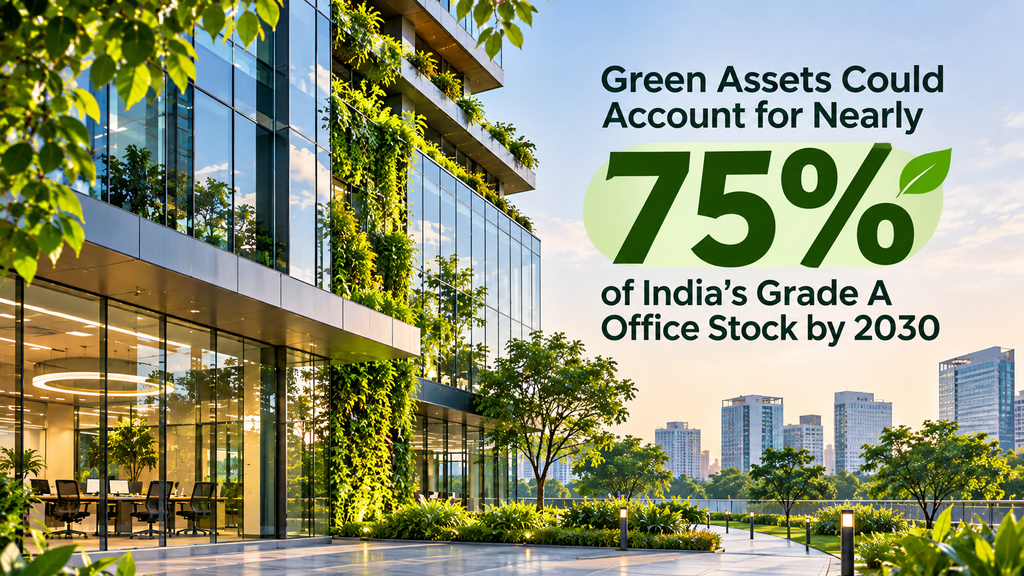
Green-certified properties are expected to represent nearly 75% of India’s Grade A office inventory by 2030, according to a Colliers India report. Around 70% of Grade A office stock across the country’s top seven cities is expected to be green-certified by the end of 2026. Leasing in green-certified buildings is projected to reach 60-65 million sq ft during 2026, accounting for more than 80% of overall office leasing. Bengaluru and Delhi-NCR are expected to lead the transition, together accounting for nearly half of India’s green office assets. The report also highlights the potential for retrofitting, with more than 450 million sq ft of existing office stock being over a decade old.
AI Could Reshape India’s Office Space Demand as Workforce Reaches 48 Million by 2030
Artificial intelligence is expected to change the nature of India’s office space demand rather than necessarily reduce it. A Cushman & Wakefield study projects the country’s office-using workforce to grow from approximately 38 million in 2025 to 48 million by 2030. Under its baseline scenario, this would add nearly nine million workers over five years, or around 1.8 million annually. GCCs are expected to remain a major demand driver as their operations increasingly move towards research and development, product engineering and analytics. The report also projects that office vacancy could rise from 14.3% in 2025 to 16.2% in 2029 before easing to 15.5% in 2030, highlighting the importance of aligning new supply with changing occupier requirements.
India’s office market is evolving beyond conventional expansion. Large GCC commitments continue to drive demand, flexible workspaces are attracting more industries, and sustainability is becoming an increasingly important factor in office selection. Meanwhile, AI is likely to influence both workforce requirements and the design of future workplaces. For developers, workspace operators and occupiers, the challenge will be to adapt to these changing expectations.
Looking for the right workspace for your business? Whether you need a coworking desk, a private office or a fully managed workspace, FLEXO can help you find the right fit.
📞 +91-95133 92400 | 🌐 flexospaces.com
We’ll keep you updated with more insights next week!